

One of the greatest misconceptions about addiction is that it simply goes away with enough time, enough promises, or enough hope.
It does not.
Addiction is a progressive disease
Addiction is a progressive disease. It is essential to separate the individual from the disease itself. Addiction is not the person’s identity—it is an illness that progressively influences thinking, behavior, judgment, and decision-making. Without cessation of substance use and meaningful treatment, the disease continues to advance, often resulting in deteriorating physical health, emotional suffering, legal consequences, financial instability, and fractured relationships.
Realistically, people rarely wake up one morning with an “aha” moment or sudden epiphany that today is the day I’m going to get sober. While those stories occasionally exist, they are the exception rather than the rule. More often, recovery begins because the people who love them engage in a thoughtful and intentional process that gradually moves them closer to accepting help, support, and ultimately treatment. Recovery is frequently the result of meaningful conversations, compassionate accountability, and consistent encouragement that slowly break through denial and create openness to change.
For families, this reality is heartbreaking. Many spend months—or even years—waiting for their loved one to “want help.” They hope the next crisis, the next broken promise, or the next consequence will finally motivate change.
Unfortunately, addiction rarely resolves itself.
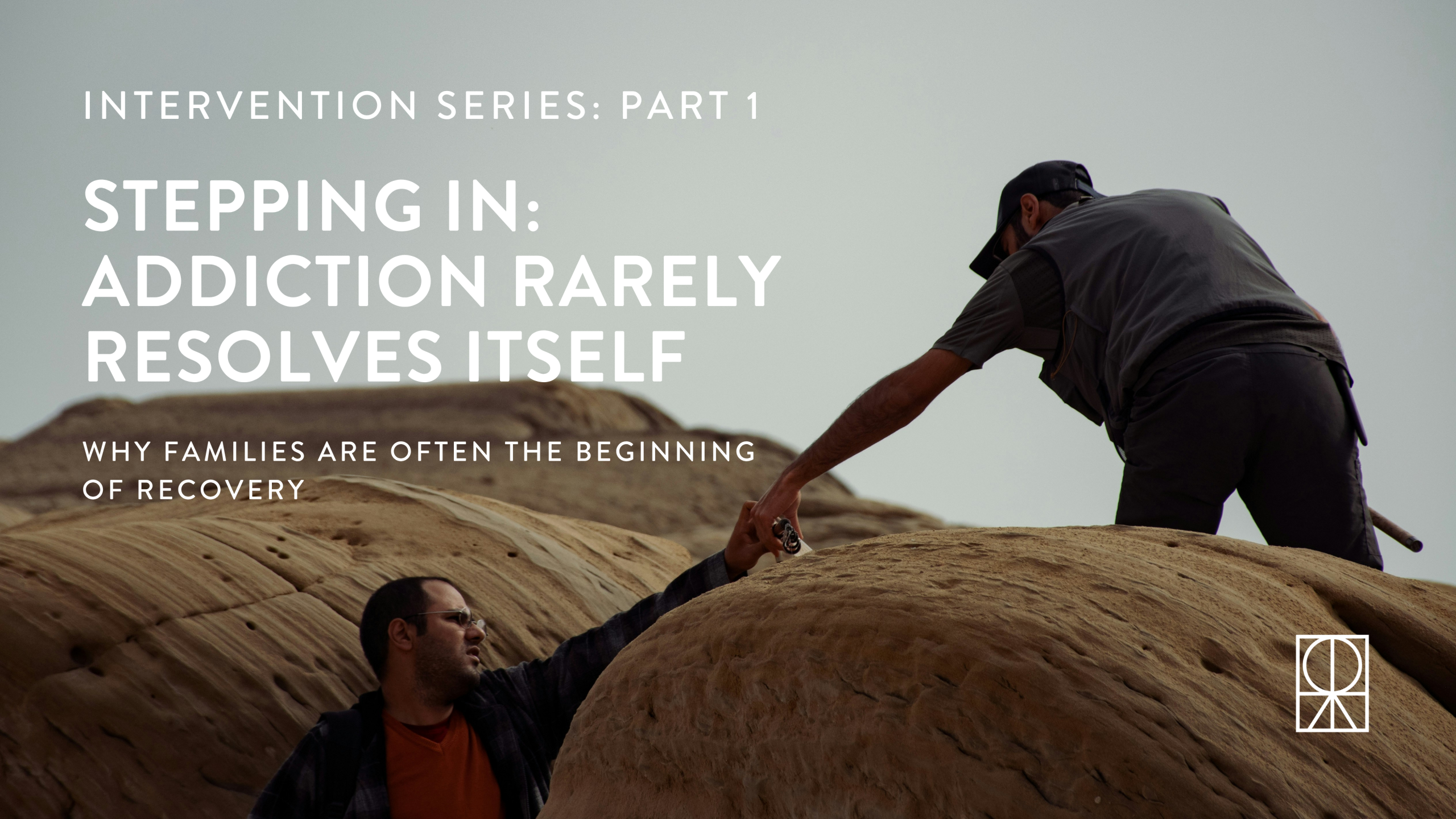
One of the most important truths families can understand is that intervention is not simply a meeting around a table. Intervention is a process of stepping into the addiction with someone you love. It means meeting your loved one exactly where they are emotionally, psychologically, and behaviorally, and engaging them in productive, compassionate conversations that gradually move them closer to accepting help.
The word intervention has become overused and, in many ways, misunderstood. Television has created the impression that an intervention is a dramatic confrontation ending with an immediate decision to enter treatment. In reality, most professional interventions look nothing like what is portrayed on television.
A comprehensive intervention is a process of clinical guidance.
A comprehensive intervention is a process of clinical guidance. It begins with consultation, assessment, education, and thoughtful planning. It includes helping families understand addiction and any underlying mental health concerns, identifying appropriate treatment options, developing practical resources, preparing for productive conversations, and guiding loved ones through an often confusing behavioral healthcare system. Most importantly, it provides families with the knowledge, confidence, and support to engage their loved one in ways that increase the likelihood they will ultimately accept treatment.
Ultimately, intervention is less about a single conversation and more about providing guidance. It is a collaborative process that helps families navigate one of the most difficult experiences of their lives while creating the conditions that encourage recovery.
Individuals struggling with substance use disorders often experience denial, shame, fear, and hopelessness. These emotions can make seeking treatment feel overwhelming. As a result, many people do not independently seek treatment. Instead, they begin considering recovery because those closest to them consistently and lovingly engage them in conversations that challenge the addiction while affirming the person.
Families are not fighting the person they love—they are confronting a disease that has changed the way that person thinks, behaves, and responds to the world. Recognizing this distinction allows conversations to become more compassionate, more productive, and ultimately more effective.
Recovery frequently begins with family.
Not because families cause addiction, but because they often become the catalyst for change. When loved ones learn how to communicate effectively, establish healthy boundaries, and consistently address the realities of addiction, they create opportunities for clarity that may not have otherwise existed.
Intervention is the beginning of the therapeutic process
We believe intervention is the beginning of the therapeutic process—not the end of it. It is the bridge between suffering and recovery, between isolation and connection, and between hopelessness and the possibility of a new life.
Throughout this series, we will provide families with practical tools to recognize when intervention is appropriate, communicate more effectively with a loved one in denial, avoid the common pitfalls of enabling, establish healthy boundaries, navigate treatment options, and understand how compassionate guidance can help move a loved one toward accepting recovery.
Sometimes the most loving thing a family can do is step into the struggle. That first step is often the beginning of healing—not only for the individual suffering from addiction, but for the entire family.
Download PDF guide
Recover Integrity is a values-based addiction treatment program: we treat our clients and their families with dignity, respect and compassion. We understand that people in need of treatment are in a potentially life-threatening crisis, and we provide a safe and nurturing environment in which to recover.

